

13 Smart Ways Malaysians Hide Sex Toys Without Anyone Knowing
by admin. on May 5, 2026
Many Malaysians worry about privacy when owning sex toys, especially in shared homes, condos, or family environments. The safest way to hide sex toys is to use natural-looking storage such as makeup bags, lockable drawers, or disguised containers while combining this with discreet delivery and proper hygiene. Avoid obvious locations like bedside drawers, and always use layered storage for maximum safety. In Malaysia, most buyers prefer online stores with neutral packaging and private WhatsApp support to stay completely discreet from purchase to storage.
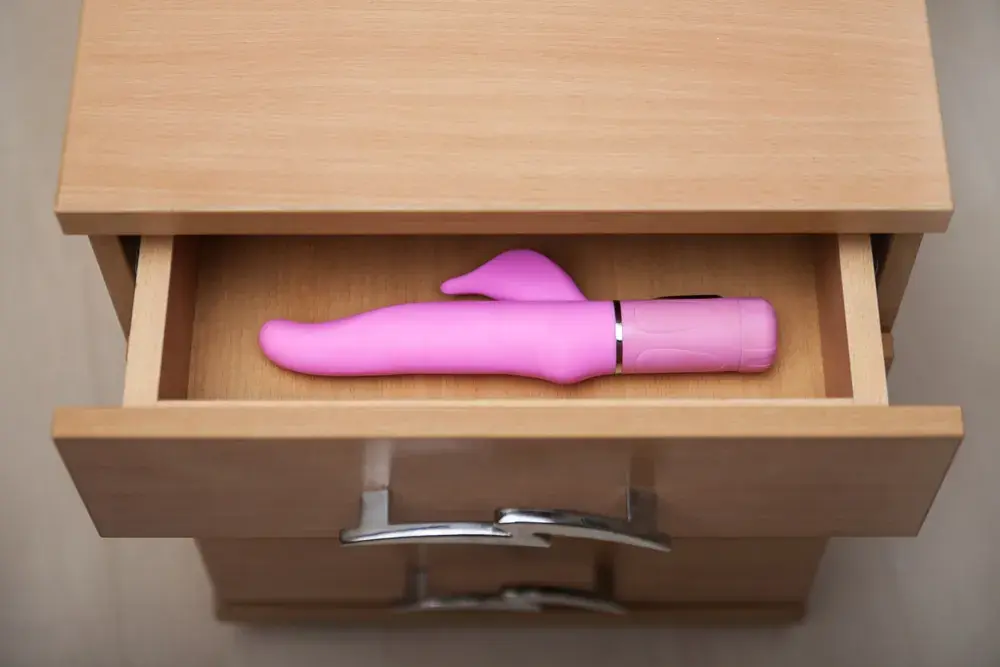
Table of Content
Why Privacy Matters in Malaysia
Unlike in many Western countries, privacy in Malaysia isn’t just a preference — it’s a necessity shaped by everyday living conditions and social expectations.
In cities like Kuala Lumpur and across Selangor, many people live in multi-generational households, share rooms with family members, or stay in compact condos where personal space is limited. It’s common for deliveries to be received by parents, siblings, housemates, or even building security. Because of this, even something as simple as a package arriving at your doorstep can raise unwanted questions.
At the same time, there is still a higher level of sensitivity around personal lifestyle choices compared to more liberal markets. What might be considered normal or openly discussed elsewhere is often kept private here — not necessarily out of shame, but out of respect for social boundaries and family dynamics.
This is why Malaysian shoppers are not just thinking about what to buy.
They are thinking about how to buy without being noticed.
The Psychology of Getting Caught
For most people, the fear is not really about the item itself. It is about what might happen if someone else finds it.
In Malaysia, where personal space is often shared and family boundaries are more closely observed, the idea of being discovered carries a different kind of pressure. It is not just about privacy. It is about how others might react, the possibility of being judged, the embarrassment of an unexpected situation, and the uncomfortable conversations that might follow.
Because of this, people rarely make calm and logical decisions when it comes to storing personal items. Instead, they begin to overthink. They imagine who might open a drawer, who might move their belongings, or who might accidentally come across something they were never meant to see.
This pressure often leads to rushed decisions. Items get hidden quickly in places that feel safe in the moment, but are actually obvious or easy to discover later.
Biggest Mistakes Malaysians Make
Before learning how to hide properly, avoid these common mistakes:
❌ Mistake 1: Using “Convenient but Obvious” Locations
- Bedside drawers
- Top wardrobe shelves
❌ Mistake 2: Keeping Original Packaging
Product names often reveal everything.
❌ Mistake 3: No Secondary Layer
Single-layer storage = high risk.
❌ Mistake 4: Ignoring Hygiene
Single-layer storage = high risk.
❌ Mistake 5: Underestimating Curious People
Roommates and family do explore drawers sometimes.
13 Smart Ways Malaysians Hide Sex Toys
In Malaysia, hiding items is not just about finding a random place. It is about choosing something that fits naturally into your daily environment without raising attention. The best methods are not necessarily the most complicated ones. They are the ones that blend into everyday life.
Here are some of the most practical and widely used methods.
1. Makeup Bag Method
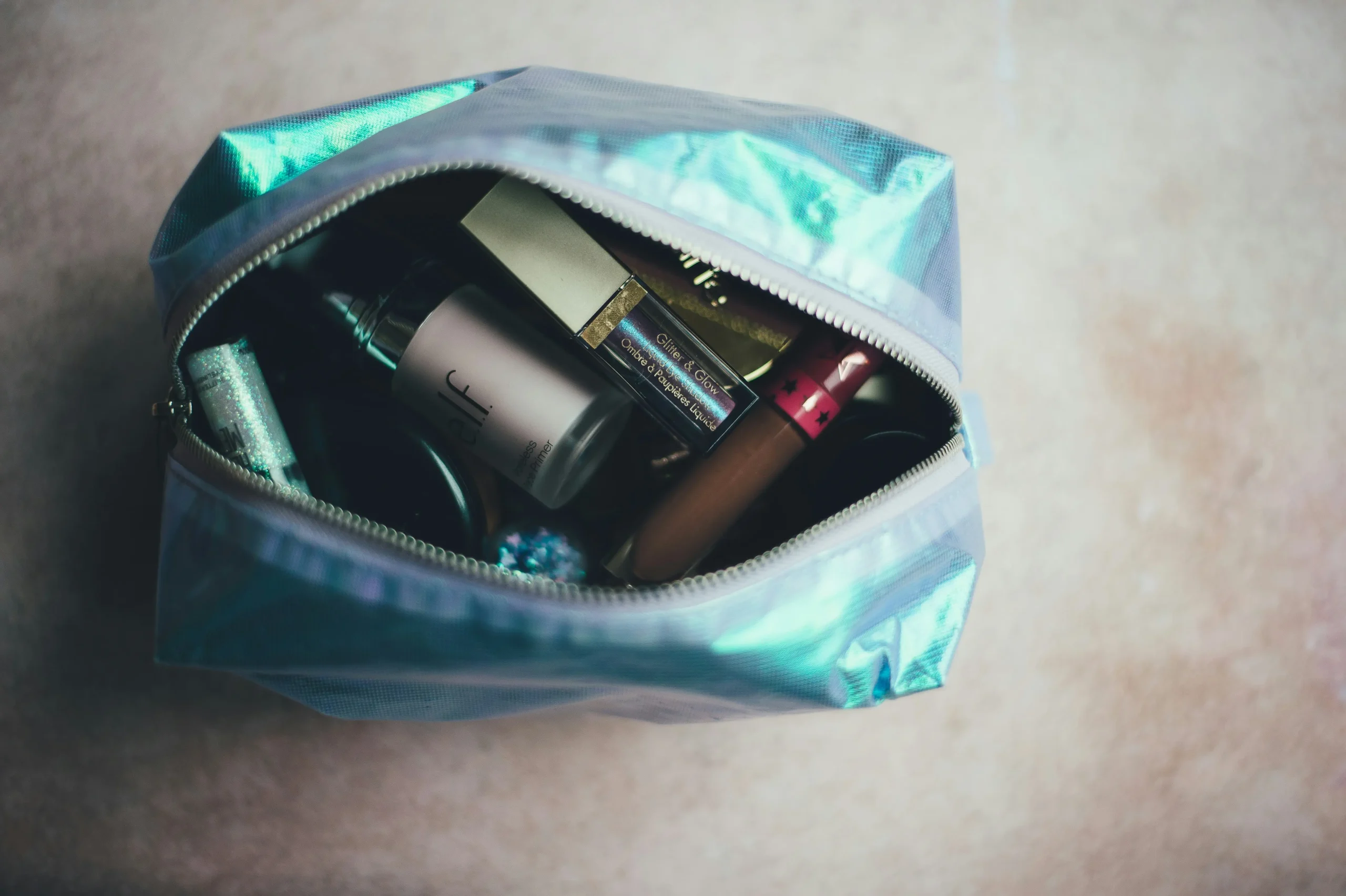
This is one of the most natural and commonly used methods in Malaysia. A makeup bag or pouch is something people already carry or keep in their room, so it does not stand out at all.
Because it fits into daily routines, it can be placed inside drawers, wardrobes, or even travel bags without attracting attention. It also makes items easy to move when needed.
For better privacy, use a darker coloured pouch with some padding inside. This helps reduce noise and keeps everything more discreet.
2. Lockable Drawer Setup
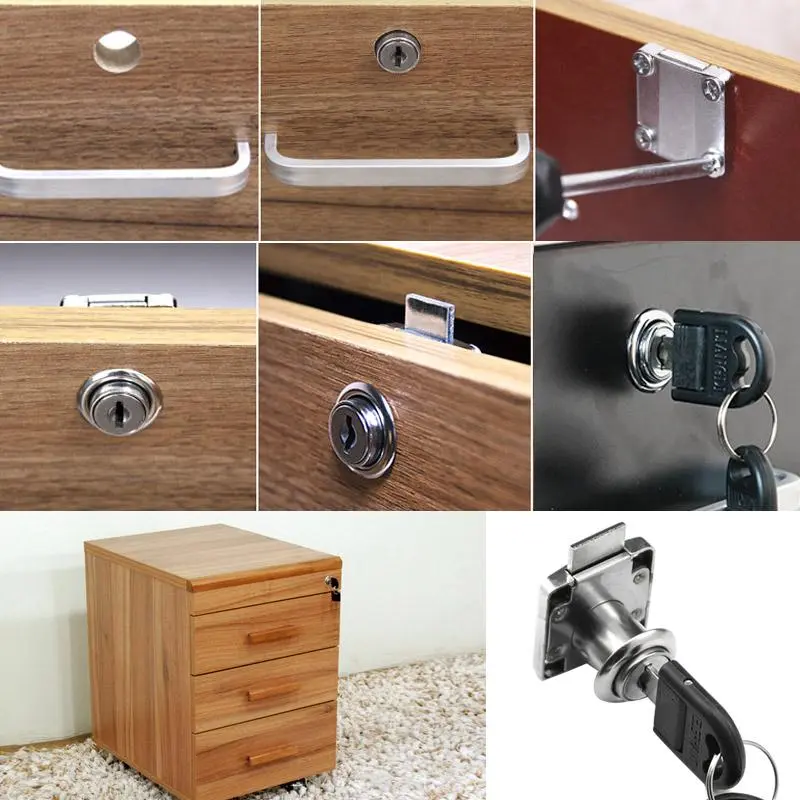
This method works especially well in shared condos or rented rooms where privacy is limited. A lock adds a simple but effective physical barrier that reduces the chance of someone opening your storage by accident.
For better results, combine this with a pouch or inner layer. This way, even if the outer layer is accessed, the contents are still protected.
3. Old Electronics Box Trick
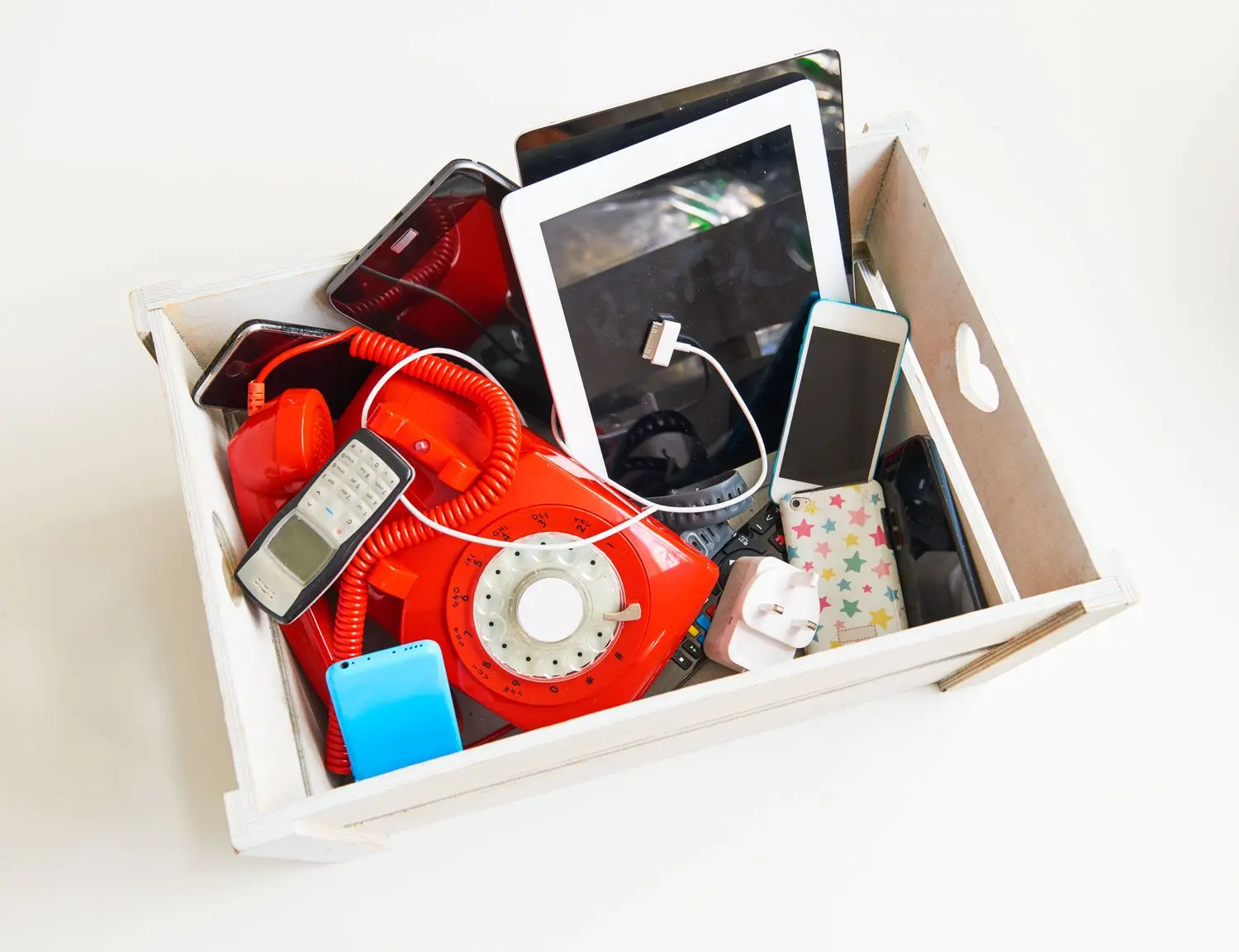
Old boxes from electronics are often ignored and left untouched for long periods of time. Because they look like unused tech or storage clutter, people rarely check what is inside.
Placing items inside these boxes and keeping them in wardrobe corners or on shelves can be a surprisingly effective way to stay unnoticed.
4. Luggage Storage Method
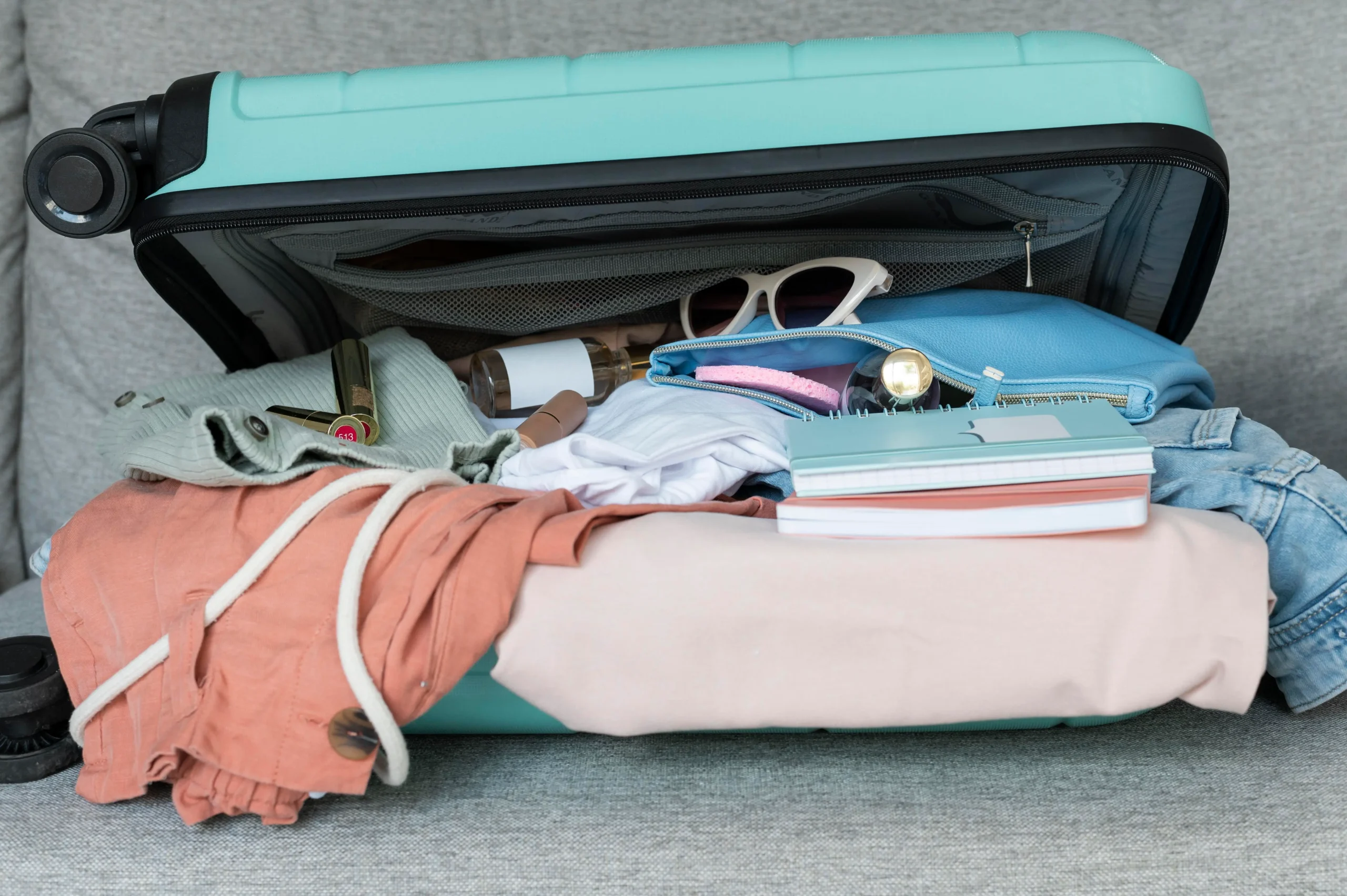
For people who do not travel often, luggage becomes a very useful storage space. It is usually stored deep inside wardrobes and is not opened frequently.
This makes it a good option for long term storage where access is not needed every day.
5. Clothing Layer Method
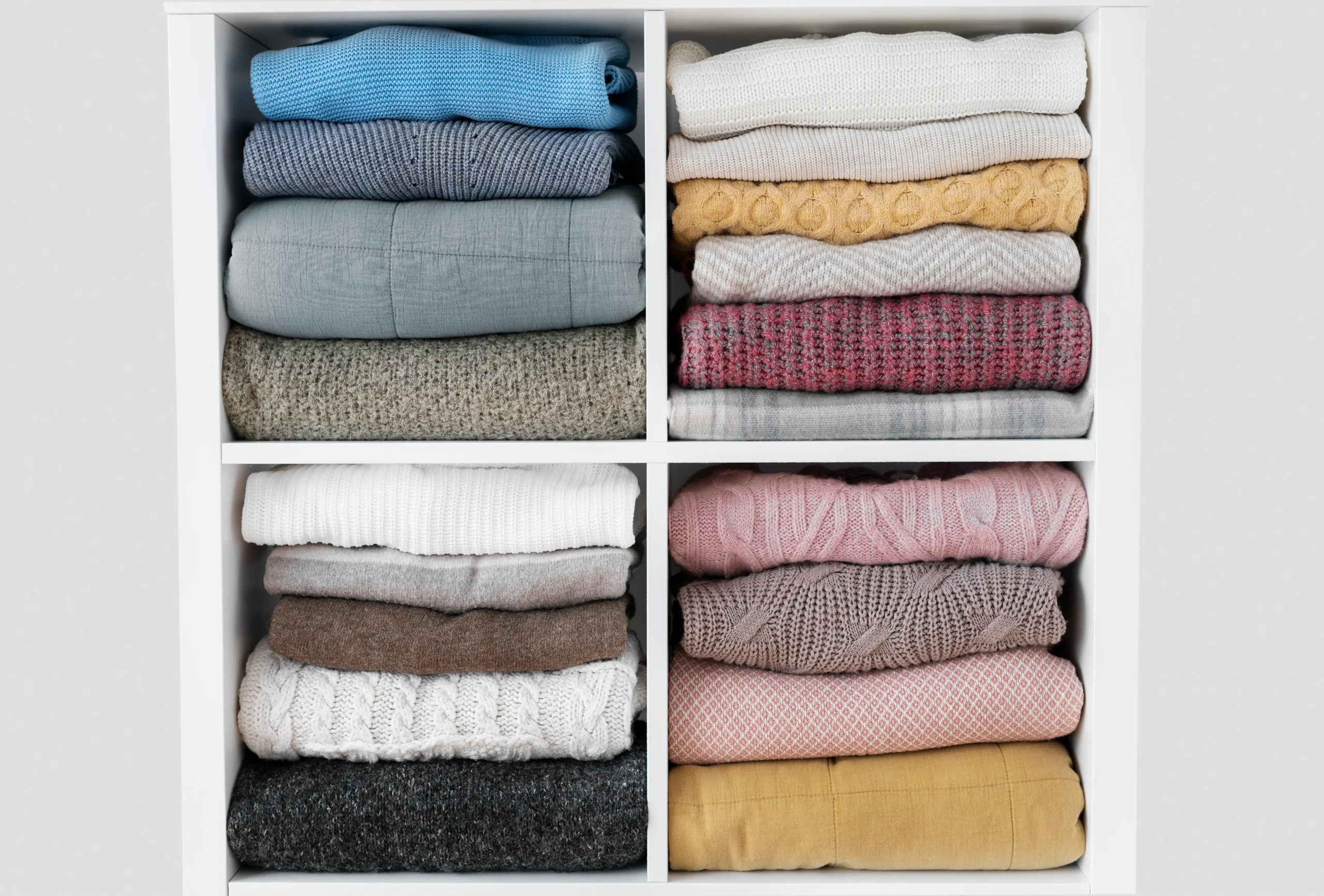
Hiding items between folded clothes such as jeans or hoodies is simple and convenient. It blends naturally with everyday storage and does not require extra tools.
However, there is some risk if clothes are shared, borrowed, or moved around. To reduce this, it is always better to place items inside a pouch before layering them with clothing.
6. “Boring Container” Method
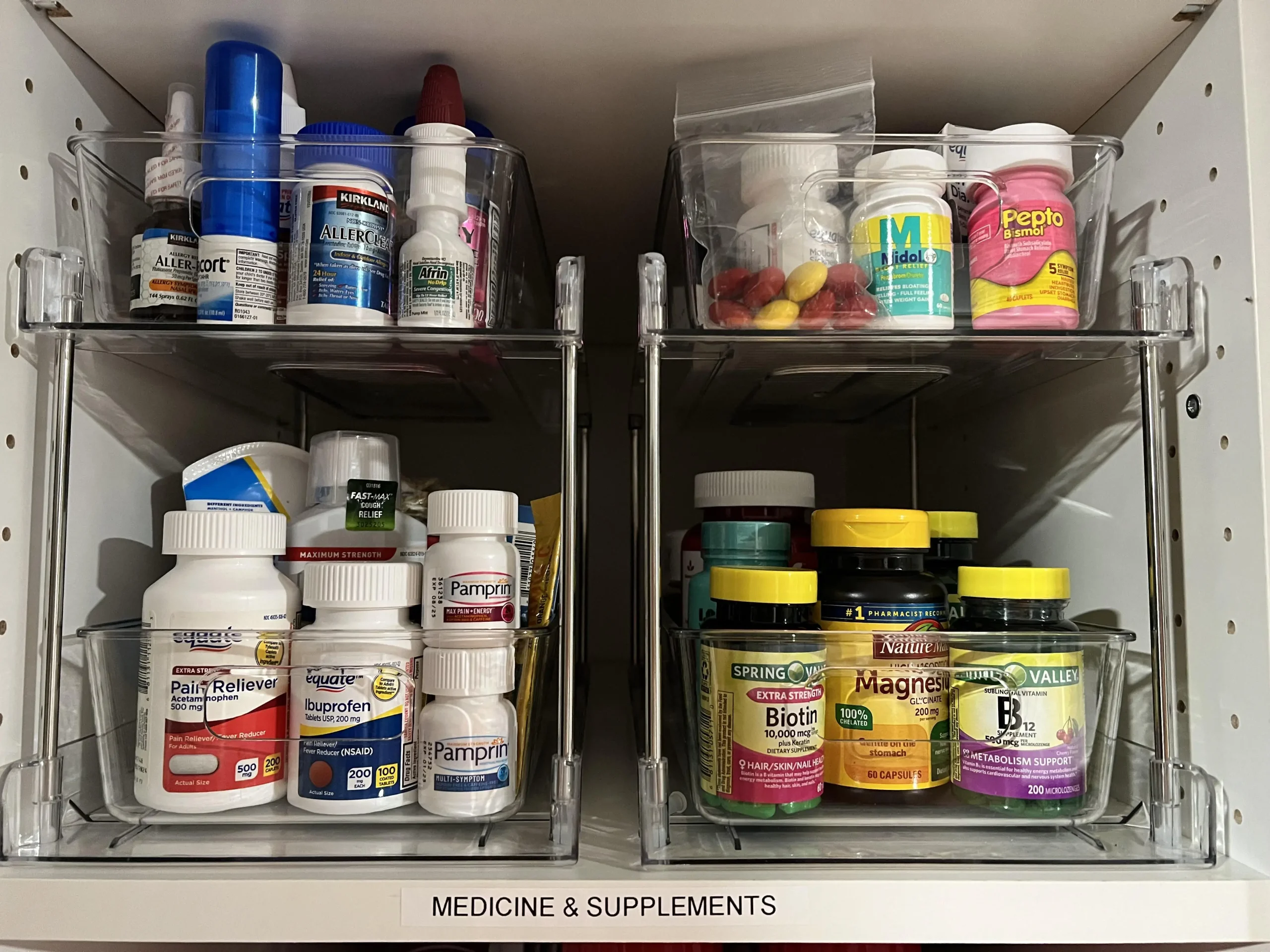
Using everyday containers like vitamin bottles or first aid kits is an effective way to avoid attention. These items are considered normal household objects, so people rarely question them.
This method works best when the container looks ordinary and matches the rest of your environment.
7. Shoe Box Storage
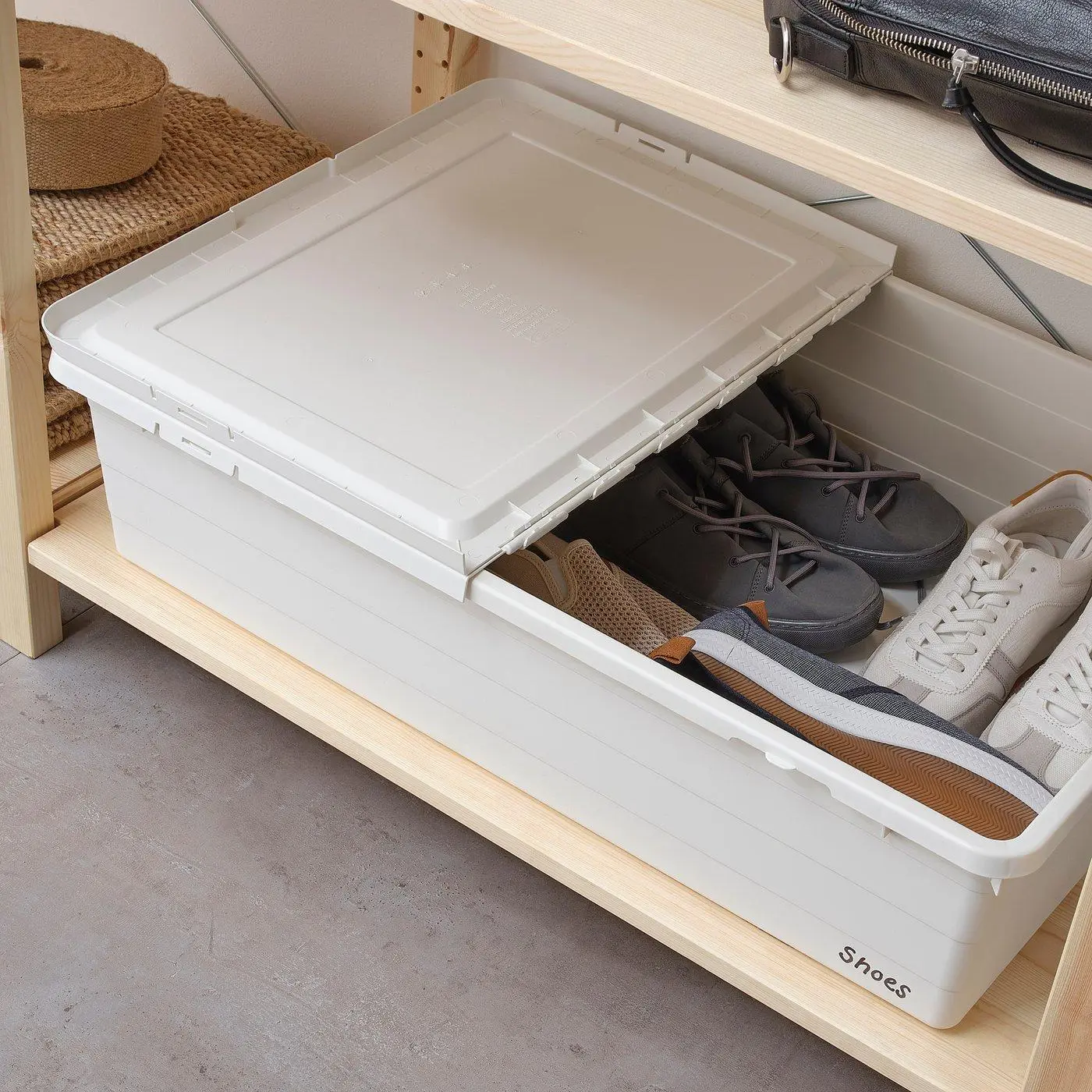
A shoe box is a simple but practical option. It blends easily into wardrobes or storage areas and does not attract attention, especially if placed together with other boxes.
8. Personal Safe Box
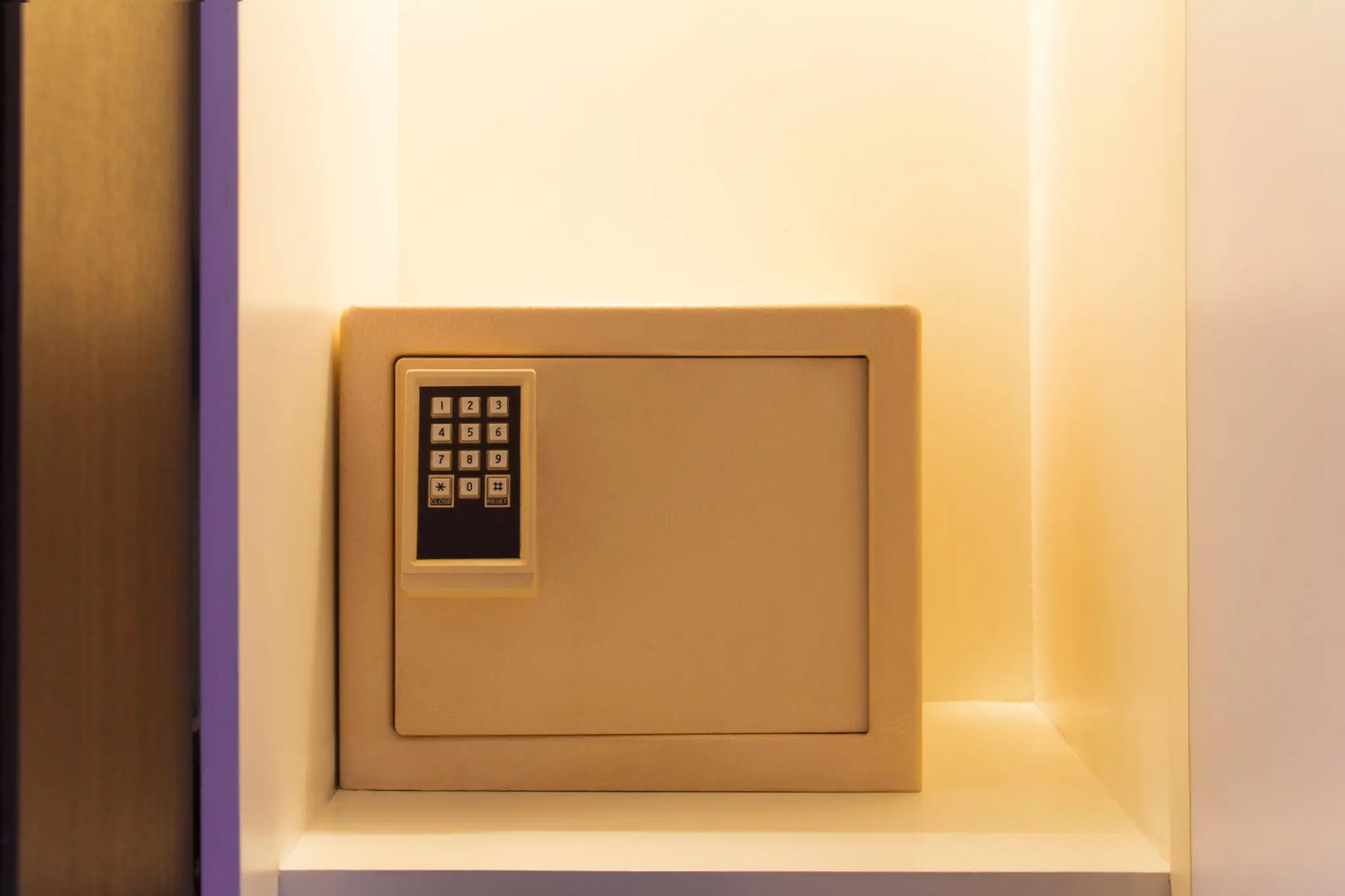
For those who want a higher level of privacy, a personal safe box offers more control. It adds a secure layer that prevents access even if someone finds the storage location.
This method is suitable for situations where privacy is a top priority.
9. Dedicated Storage Pouch
Having a dedicated pouch is important not just for privacy, but also for hygiene and organisation. It helps keep items separate, reduces smell issues, and makes storage more consistent.
10. Bathroom Cabinet
This can work, but only in dry areas. Moisture and humidity can cause problems over time, so it is important to avoid placing items near wet zones.
11. Locked Backpack
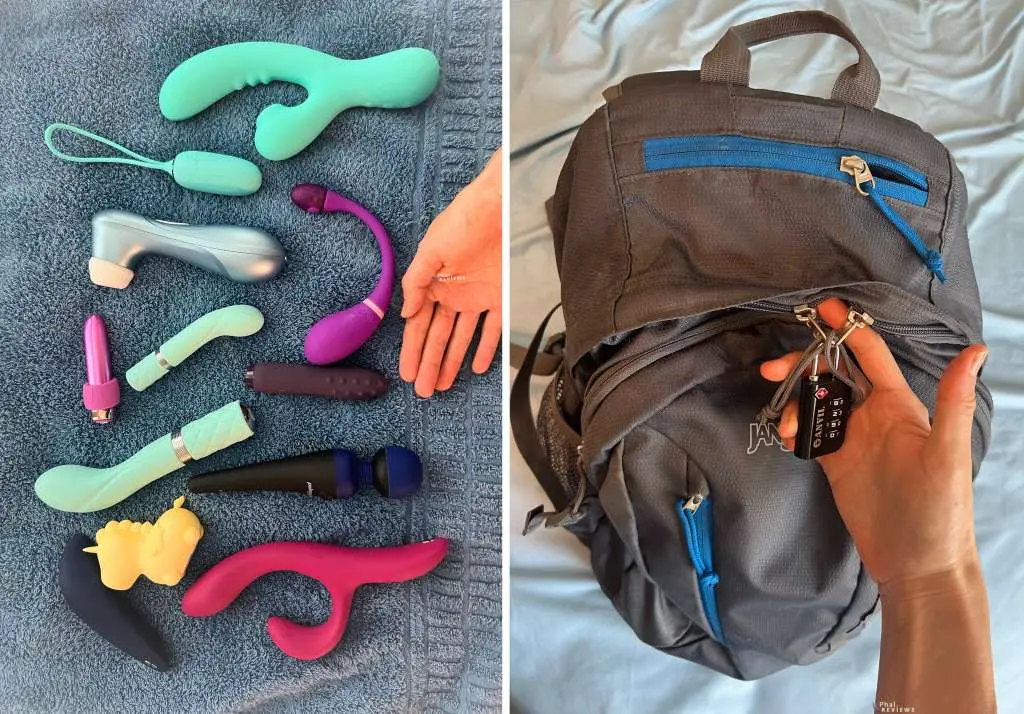
For students or people living in shared environments, a locked backpack is a flexible and reliable option. It allows you to keep everything in one place while maintaining full control over access.
12. Work Bag Compartment
For working adults, a work bag can serve as a temporary storage space. Using a private compartment keeps items separate from daily essentials and reduces the chance of exposure.
13. Dual-Layer Method
This is one of the safest and most reliable approaches.
The idea is to create multiple layers of separation. Items are placed inside a pouch, then inside a bag, and finally stored within a drawer or another outer layer.
This structure reduces the risk of accidental discovery and adds an extra level of control. Even if one layer is accessed, the contents are still protected.
Where NOT to Hide Them
Never use:
❌ Bedside table
❌ Open shelf
❌ Under pillow
❌ Shared bathroom
❌ Transparent storage
Real Malaysian Scenarios
Different living situations in Malaysia require very different approaches to privacy. What works for one person may not work for another, especially when daily routines and shared spaces vary so much.
Scenario 1: Living with Parents
In many Malaysian households, it is common to live with parents even as an adult. This means personal spaces like bedrooms, wardrobes, or drawers are not always completely private. Family members may enter the room, help with cleaning, or move things around without much notice.
In this situation, a simple but effective approach is to combine layers. A small pouch placed inside a drawer, then covered with everyday clothing, creates enough separation to avoid accidental discovery while still being easy to access.

Scenario 2: Shared Condo
In places like Kuala Lumpur or across Selangor, shared condos are very common, especially among young professionals. While housemates usually respect boundaries, shared living still comes with risks such as cleaning arrangements, visitors, or borrowed items.
Here, adding a basic lock combined with a dual layer setup works better. Even a small locked compartment or container inside a personal space adds an extra level of security and reduces the chance of accidental access.
Scenario 3: Student Hostel
Student hostels often have the least privacy. Rooms are shared, storage is limited, and items are frequently moved around. In this environment, portability becomes more important than fixed storage.
Keeping items inside a locked backpack is one of the safest options. It allows full control over access and can be moved easily when needed, without relying on shared furniture.
Scenario 4: Office Worker
For working adults who spend long hours outside, privacy concerns often shift from home to daily carry. Bags, desks, and personal drawers become the main storage spaces.
A practical solution is to use a work bag combined with a private drawer, if available. This creates flexibility while still maintaining control, especially in environments where personal and shared spaces overlap.
Condo and Shared House Strategy
In many condos across Kuala Lumpur and surrounding areas in Selangor, privacy is not just about what happens inside your unit. It often starts at the entrance of the building.
With guarded access, reception counters, and parcel handling systems, deliveries are sometimes received or observed by security staff, front desk personnel, or even neighbours passing by. In shared houses, parcels might also be left in common areas where anyone in the household can see or move them.
Because of this, managing delivery becomes just as important as hiding the item itself.
A practical approach is to control when and how your parcel arrives. Choosing delivery times when you are available to receive it personally reduces unnecessary exposure. Avoid leaving parcels in shared spaces such as living rooms or dining areas, even for a short time. Once received, items should be moved quickly into a personal space where only you have access.
Practical Tips
- Choose delivery timing when you are at home
- Avoid placing parcels in common or shared areas
- Move items into your personal space as soon as possible
Discreet Delivery in Malaysia
In Malaysia, receiving parcels is part of everyday life, whether at home, in shared housing, or in residential buildings. However, deliveries often pass through multiple hands before reaching you. They might be handled by security, placed at a front desk, or left in areas where other people can easily see them.
Because of this, the appearance of a package becomes more important than many people realise. A parcel that looks ordinary is far less likely to attract attention, while anything that stands out can quickly raise curiosity.
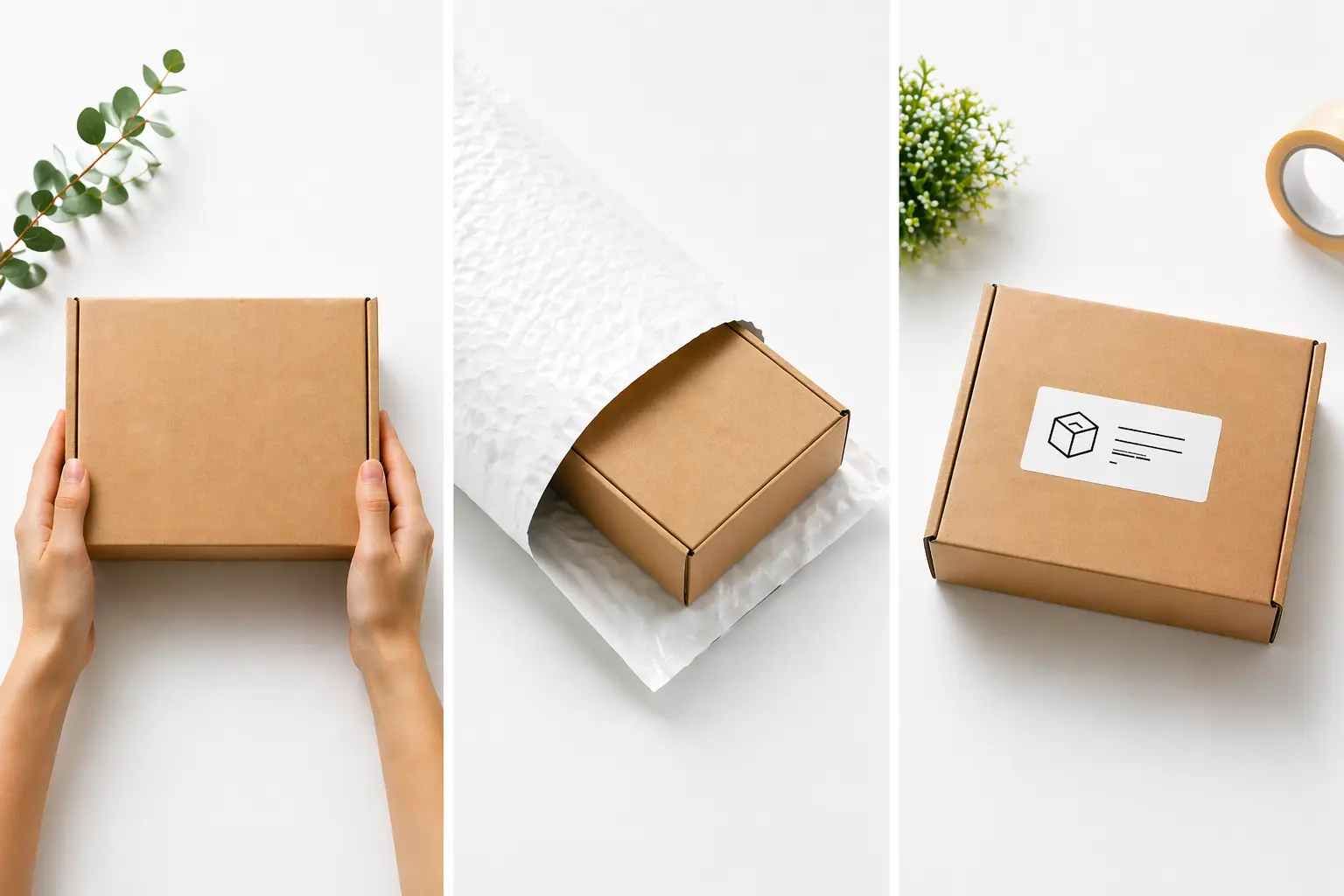
A truly discreet delivery should blend in completely with regular online orders. From the outside, it should not give any hint about what is inside or where it came from. This helps reduce unnecessary questions and keeps the entire process low profile.
Small details play a big role here. Plain packaging avoids drawing attention. A neutral sender name prevents assumptions. Tracking allows you to receive the parcel at the right moment instead of leaving it exposed in a shared space.
Worried about delivery privacy? Just WhatsApp us before ordering. We will explain everything to you privately.
If you prefer to read first, you can also check our full guide: How to Buy Sex Toys Discreetly in Malaysia: A Guide to Privacy, Packaging and Peace of Mind
Storage, Cleaning & Care
Keeping items clean and properly stored is not just about hygiene. It is also an important part of maintaining privacy over time.
In many Malaysian homes, items are often kept in drawers, wardrobes, or shared spaces where conditions can vary. Heat, humidity, and limited airflow can affect both the material and how long something lasts. If something is not cleaned or stored properly, it can become noticeable or harder to manage discreetly.
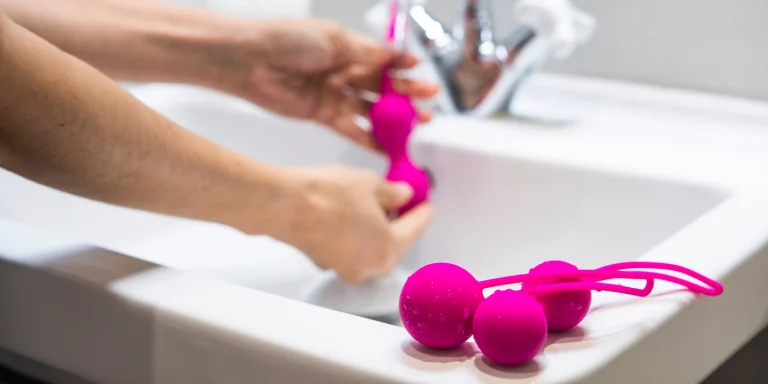
A simple routine helps avoid these issues. Cleaning items before and after use keeps everything in good condition. Making sure they are fully dry prevents moisture buildup, especially in enclosed spaces. Storing items separately also reduces the risk of damage and makes them easier to organise without drawing attention.
Over time, these small habits make a big difference. They not only help maintain quality, but also make storage more controlled and predictable.
Simple Checklist
- Clean before and after use
- Make sure everything is fully dry
- Store items separately
- Avoid heat and direct sunlight
Still unsure which method fits your living situation? Just message us on WhatsApp and we will guide you privately.
FAQs
What is the safest storage method?
The safest approach is to combine layering with some form of locking. Keeping items inside a pouch or container, then placing that inside a locked drawer, bag, or compartment adds an extra level of protection and reduces the chance of accidental discovery.
Can I store items in a shared room?
Yes, it is possible, but it requires a bit more planning. Using layered storage, choosing less obvious locations, and keeping items within your personal belongings can help maintain privacy even in shared environments.
Will a parcel reveal what is inside?
Not if the seller uses proper discreet packaging. Plain outer packaging, neutral sender names, and no visible branding all help ensure that the contents are not obvious to anyone handling or seeing the parcel. Read: Discreet Packaging
Related Article
- All Posts
- How-To & Care
Buying sex toys discreetly in Malaysia is easier than you think. This guide explains how discreet packaging works, what to...
How do I clean my sex toys? This simple guide shows safe cleaning methods, storage tips, and hygiene rules for...